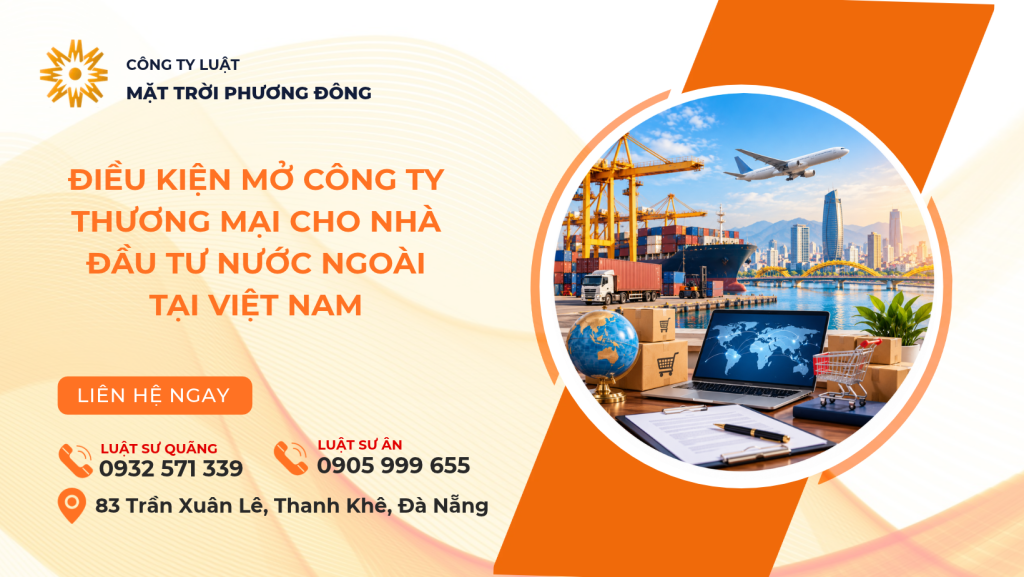
Điều kiện mở công ty thương mại cho nhà đầu tư nước ngoài tại Việt Nam
Nhà đầu tư nước ngoài có được mở công ty thương mại tại Việt Nam không? Đây là vấn đề được nhiều cá nhân và doanh nghiệp nước ngoài quan tâm khi muốn kinh doanh tại thị trường Việt Nam.
Theo pháp luật hiện hành, nhà đầu tư nước ngoài được phép thành lập công ty thương mại tại Việt Nam nếu đáp ứng các điều kiện về đầu tư, ngành nghề kinh doanh và tiếp cận thị trường. Tuy nhiên, hoạt động xuất nhập khẩu, bán buôn và bán lẻ có thể áp dụng những yêu cầu pháp lý khác nhau.
Bài viết dưới đây sẽ làm rõ điều kiện, hồ sơ và thủ tục thành lập công ty thương mại có vốn đầu tư nước ngoài.
1. Nhà đầu tư nước ngoài có được mở công ty thương mại tại Việt Nam không?
Theo Luật Đầu tư năm 2025, có hiệu lực từ ngày 01/03/2026, nhà đầu tư nước ngoài được thành lập tổ chức kinh tế tại Việt Nam theo quy định pháp luật.
Công ty thương mại có vốn đầu tư nước ngoài có thể hoạt động trong các lĩnh vực như:
- Xuất khẩu hàng hóa.
- Nhập khẩu hàng hóa.
- Phân phối bán buôn.
- Phân phối bán lẻ.
- Các hoạt động liên quan trực tiếp đến mua bán hàng hóa.
Tuy nhiên, quyền thực hiện từng hoạt động còn phụ thuộc vào ngành nghề, loại hàng hóa và điều kiện tiếp cận thị trường.
Đặc biệt, doanh nghiệp có hoạt động bán lẻ có thể phải xin thêm Giấy phép kinh doanh và Giấy phép lập cơ sở bán lẻ theo quy định.
2. Điều kiện mở công ty thương mại cho nhà đầu tư nước ngoài
2.1. Điều kiện về ngành nghề kinh doanh
Nhà đầu tư phải xác định rõ lĩnh vực thương mại dự kiến hoạt động.
Đối với hoạt động mua bán hàng hóa, cần kiểm tra:
- Hàng hóa có thuộc danh mục cấm kinh doanh hay không.
- Ngành nghề có hạn chế tiếp cận thị trường đối với nhà đầu tư nước ngoài không.
- Hoạt động kinh doanh có yêu cầu giấy phép chuyên ngành không.
- Việt Nam có cam kết mở cửa thị trường đối với lĩnh vực đó hay không.
Một số mặt hàng như dược phẩm, hóa chất, thực phẩm hoặc hàng hóa thuộc diện quản lý chuyên ngành có thể phải đáp ứng thêm các điều kiện riêng.
2.2. Điều kiện về tỷ lệ sở hữu vốn
Nhà đầu tư nước ngoài có thể thành lập công ty thương mại với tỷ lệ sở hữu 100% vốn trong những lĩnh vực được pháp luật và cam kết quốc tế cho phép.
Tuy nhiên, không phải mọi hoạt động thương mại đều được áp dụng cùng một mức sở hữu vốn.
Tỷ lệ sở hữu cần được xem xét dựa trên quốc tịch nhà đầu tư, ngành nghề và phạm vi kinh doanh dự kiến.
2.3. Điều kiện về vốn đầu tư
Pháp luật không quy định một mức vốn tối thiểu chung cho tất cả công ty thương mại có vốn nước ngoài.
Nhà đầu tư cần xác định vốn phù hợp với quy mô kinh doanh và khả năng tài chính.
Một số yếu tố cần cân nhắc gồm:
- Chi phí thuê văn phòng, kho hàng.
- Chi phí nhập khẩu và lưu thông hàng hóa.
- Chi phí nhân sự, vận hành.
- Chi phí thực hiện các thủ tục pháp lý.
- Điều kiện về vốn đối với ngành nghề đặc thù, nếu có.
Việc đăng ký vốn phù hợp sẽ giúp doanh nghiệp thuận lợi hơn khi triển khai hoạt động kinh doanh.
2.4. Điều kiện về địa điểm kinh doanh
Công ty phải có địa chỉ trụ sở hợp pháp tại Việt Nam.
Đối với doanh nghiệp có kho hàng hoặc cửa hàng bán lẻ, địa điểm kinh doanh còn phải đáp ứng các quy định có liên quan.
Nhà đầu tư nên kiểm tra tính pháp lý của địa điểm trước khi ký hợp đồng thuê dài hạn.
3. Công ty thương mại có vốn nước ngoài có cần Giấy phép kinh doanh không?
Đây là vấn đề quan trọng mà nhiều nhà đầu tư thường nhầm lẫn.
Theo quy định về hoạt động mua bán hàng hóa của tổ chức kinh tế có vốn đầu tư nước ngoài, không phải mọi hoạt động thương mại đều bắt buộc phải xin Giấy phép kinh doanh riêng.
Cụ thể:
Đối với hoạt động xuất nhập khẩu và bán buôn: Doanh nghiệp cần xác định phạm vi quyền kinh doanh và điều kiện áp dụng. Một số hoạt động có thể thực hiện mà không cần Giấy phép kinh doanh theo Nghị định 09/2018/NĐ-CP, nhưng vẫn phải đáp ứng các quy định liên quan.
Đối với hoạt động bán lẻ: Doanh nghiệp có vốn đầu tư nước ngoài thường phải xin Giấy phép kinh doanh để thực hiện quyền phân phối bán lẻ, trừ trường hợp được miễn theo quy định.
Nếu mở cửa hàng bán lẻ, doanh nghiệp có thể phải xin thêm Giấy phép lập cơ sở bán lẻ.
Vì vậy, nhà đầu tư cần phân biệt rõ quyền xuất khẩu, quyền nhập khẩu, quyền phân phối bán buôn và quyền phân phối bán lẻ trước khi đăng ký hoạt động.
4. Hồ sơ thành lập công ty thương mại có vốn đầu tư nước ngoài
Tùy từng trường hợp, hồ sơ có thể bao gồm:
- Giấy tờ pháp lý của nhà đầu tư nước ngoài.
- Văn bản đề nghị đăng ký doanh nghiệp.
- Điều lệ công ty.
- Danh sách thành viên hoặc cổ đông theo loại hình doanh nghiệp.
- Tài liệu chứng minh năng lực tài chính khi thực hiện thủ tục đầu tư.
- Hồ sơ liên quan đến dự án đầu tư, nếu thuộc diện phải thực hiện.
- Tài liệu về địa điểm thực hiện dự án và trụ sở doanh nghiệp.
- Các giấy tờ khác theo yêu cầu pháp luật.
Đối với giấy tờ do cơ quan nước ngoài cấp, nhà đầu tư cần lưu ý yêu cầu hợp pháp hóa lãnh sự và dịch thuật theo quy định.
5. Thủ tục mở công ty thương mại cho nhà đầu tư nước ngoài
Bước 1: Xác định ngành nghề và phạm vi hoạt động
Nhà đầu tư cần lựa chọn loại hình thương mại phù hợp.
Việc xác định đúng ngành nghề ngay từ đầu giúp hạn chế phải điều chỉnh hồ sơ sau khi thành lập.
Bước 2: Thực hiện thủ tục đăng ký doanh nghiệp
Theo Luật Đầu tư năm 2025, nhà đầu tư nước ngoài được thành lập tổ chức kinh tế thực hiện dự án đầu tư trước khi thực hiện thủ tục cấp hoặc điều chỉnh Giấy chứng nhận đăng ký đầu tư, theo quy định và điều kiện áp dụng.
Do đó, cần xác định trình tự đăng ký phù hợp với từng dự án.
Bước 3: Thực hiện thủ tục đăng ký đầu tư
Đối với dự án thuộc diện phải cấp Giấy chứng nhận đăng ký đầu tư (IRC), nhà đầu tư phải thực hiện thủ tục theo quy định.
Hồ sơ, cơ quan tiếp nhận và trình tự giải quyết phụ thuộc vào tính chất, địa điểm và quy mô dự án.
Bước 4: Xin giấy phép kinh doanh nếu thuộc trường hợp bắt buộc
Nếu doanh nghiệp thực hiện hoạt động bán lẻ hoặc các hoạt động thương mại thuộc diện phải cấp phép, cần chuẩn bị hồ sơ xin Giấy phép kinh doanh.
Trường hợp mở cơ sở bán lẻ, doanh nghiệp phải xem xét thêm thủ tục cấp Giấy phép lập cơ sở bán lẻ.
Bước 5: Hoàn tất các thủ tục sau thành lập
Doanh nghiệp cần thực hiện các nghĩa vụ liên quan đến:
- Thuế và kế toán.
- Tài khoản ngân hàng.
- Góp vốn theo quy định.
- Hóa đơn điện tử.
- Lao động và bảo hiểm.
- Giấy phép chuyên ngành, nếu có.
6. Những lưu ý khi mở công ty thương mại tại Việt Nam
Để hạn chế rủi ro pháp lý, nhà đầu tư nước ngoài cần lưu ý:
Thứ nhất, xác định chính xác ngành nghề kinh doanh. Không nên đăng ký ngành nghề chung chung khi dự kiến kinh doanh hàng hóa đặc thù.
Thứ hai, kiểm tra điều kiện tiếp cận thị trường. Quyền kinh doanh có thể khác nhau tùy quốc tịch nhà đầu tư và cam kết quốc tế.
Thứ ba, phân biệt hoạt động bán buôn và bán lẻ. Hai hoạt động này có thể áp dụng thủ tục cấp phép khác nhau.
Thứ tư, chuẩn bị hồ sơ pháp lý đầy đủ. Giấy tờ không hợp lệ có thể khiến quá trình đăng ký bị kéo dài.
Thứ năm, tuân thủ nghĩa vụ sau thành lập. Doanh nghiệp phải thực hiện đúng quy định về vốn, thuế, báo cáo đầu tư và hoạt động thương mại.
7. Dịch vụ thành lập công ty thương mại có vốn nước ngoài tại MTPD
Công ty Luật TNHH Mặt Trời Phương Đông (MTPD) cung cấp dịch vụ tư vấn pháp lý cho nhà đầu tư nước ngoài có nhu cầu thành lập công ty thương mại tại Việt Nam.
Các dịch vụ hỗ trợ gồm:
- Tư vấn điều kiện đầu tư và ngành nghề kinh doanh.
- Tư vấn tỷ lệ sở hữu vốn của nhà đầu tư nước ngoài.
- Soạn thảo hồ sơ đăng ký đầu tư và đăng ký doanh nghiệp.
- Hỗ trợ thủ tục xin Giấy phép kinh doanh.
- Tư vấn điều kiện mở cửa hàng bán lẻ.
- Tư vấn pháp lý trong quá trình hoạt động doanh nghiệp.
Với định hướng hỗ trợ nhà đầu tư tại Đà Nẵng và các địa phương khác, MTPD đồng hành cùng khách hàng trong quá trình chuẩn bị và triển khai hoạt động kinh doanh.
8. Kết luận
Nhà đầu tư nước ngoài được phép thành lập công ty thương mại tại Việt Nam nếu đáp ứng các điều kiện theo quy định pháp luật.
Tuy nhiên, thủ tục cụ thể phụ thuộc vào ngành nghề, loại hàng hóa, quốc tịch nhà đầu tư và phạm vi hoạt động.
Đặc biệt, doanh nghiệp cần xác định rõ sự khác biệt giữa hoạt động xuất nhập khẩu, bán buôn và bán lẻ để thực hiện đúng thủ tục pháp lý.
Requirements for Foreign Investors to Establish a Trading Company in Vietnam
Can foreign investors establish a trading company in Vietnam? This is a common question among foreign individuals and organizations seeking business opportunities in the Vietnamese market.
Under Vietnamese law, foreign investors may establish trading companies if they satisfy the applicable investment, business registration, and market access requirements. However, import-export, wholesale, and retail activities may be subject to different legal conditions.
This article explains the key requirements, documents, and procedures for establishing a foreign-invested trading company in Vietnam.
1. Can Foreign Investors Establish a Trading Company in Vietnam?
Under Vietnam’s Investment Law 2025, effective from March 1, 2026, foreign investors may establish business entities in Vietnam in accordance with applicable regulations.
A foreign-invested trading company may engage in activities such as:
- Exporting goods.
- Importing goods.
- Wholesale distribution.
- Retail distribution.
- Other activities directly related to the purchase and sale of goods.
However, the right to conduct these activities depends on the business sector, types of goods, and applicable foreign market access conditions.
In particular, companies engaging in retail activities may be required to obtain additional licenses.
2. Requirements for Foreign Investors to Establish a Trading Company
2.1. Business Sector Requirements
Foreign investors must clearly identify their intended trading activities before establishing a company.
For businesses involving the purchase and sale of goods, investors should verify:
- Whether the products are prohibited from being traded.
- Whether the business sector is subject to foreign investment restrictions.
- Whether additional sector-specific licenses are required.
- Whether Vietnam’s international commitments permit foreign participation in the relevant activities.
Certain products, including pharmaceuticals, chemicals, food products, and other regulated goods, may be subject to additional requirements.
2.2. Foreign Ownership Requirements
Foreign investors may establish wholly foreign-owned trading companies in sectors where 100% foreign ownership is permitted under Vietnamese law and applicable international commitments.
However, not all trading activities are subject to the same ownership rules.
Foreign ownership limits should be assessed based on the investor’s nationality, proposed business activities, and applicable market access regulations.
2.3. Investment Capital Requirements
Vietnamese law does not establish a universal minimum capital requirement for all foreign-invested trading companies.
Investors should determine an appropriate capital amount based on their proposed business scale and financial capacity.
Relevant considerations include:
- Office and warehouse rental expenses.
- Importation and distribution costs.
- Employee salaries and operating expenses.
- Legal and licensing expenses.
- Any sector-specific capital requirements.
Selecting a suitable capital amount can help ensure that the company has adequate resources to implement its business plan.
2.4. Registered Business Address
A trading company must have a lawful registered office address in Vietnam.
Businesses operating warehouses or retail outlets may also need to satisfy additional requirements relating to their premises.
Foreign investors should verify the legal suitability of the proposed location before entering into a long-term lease agreement.
3. Does a Foreign-Invested Trading Company Need a Business License?
This is an important issue that foreign investors should carefully consider.
Under Decree No. 09/2018/ND-CP and applicable regulations, not all trading activities conducted by foreign-invested enterprises require a separate Business License.
Import, export, and wholesale activities: Depending on the products and business scope, certain activities may be conducted without obtaining a separate Business License under Decree No. 09/2018/ND-CP. However, other applicable legal requirements must still be satisfied.
Retail activities: Foreign-invested enterprises generally need a Business License to conduct retail distribution activities, unless an exemption applies.
Companies intending to establish physical retail outlets may also need a Retail Outlet Establishment License.
Therefore, investors should distinguish between import rights, export rights, wholesale distribution rights, and retail distribution rights before registering their business activities.
4. Documents Required to Establish a Foreign-Invested Trading Company
Depending on the investor’s circumstances and the applicable registration procedures, the required documents may include:
- Legal identification documents of the foreign investor.
- An enterprise registration application.
- The company’s charter.
- A list of members or shareholders, where required.
- Documents demonstrating the investor’s financial capacity, where applicable.
- Investment project documents, if required.
- Documents relating to the registered office and investment project location.
- Other supporting documents required by the competent authorities.
Documents issued overseas may require consular legalization, Vietnamese translation, and certification in accordance with applicable regulations.
5. Procedures for Establishing a Foreign-Invested Trading Company in Vietnam
Step 1: Determine the Business Activities
The investor should identify the intended trading activities, including import-export, wholesale, or retail distribution.
Properly defining the business scope from the beginning helps reduce the risk of subsequent registration amendments.
Step 2: Complete Enterprise Registration
Under the Investment Law 2025, foreign investors may, subject to applicable conditions, establish a business entity to implement an investment project before completing the relevant Investment Registration Certificate procedures.
The appropriate registration sequence must therefore be determined based on the specific investment project and applicable regulations.
Step 3: Complete Investment Registration Procedures
Where an Investment Registration Certificate (IRC) is required, the investor must complete the relevant procedures in accordance with Vietnamese law.
The application documents, competent authority, and processing requirements depend on the nature, location, and scale of the investment project.
Step 4: Obtain Additional Business Licenses, If Required
If the company intends to engage in retail distribution or other trading activities requiring a Business License, it must complete the relevant licensing procedures.
Companies planning to establish retail outlets should also determine whether a Retail Outlet Establishment License is required.
Step 5: Complete Post-Establishment Obligations
After company registration, the enterprise must comply with applicable requirements relating to:
- Tax registration and accounting.
- Corporate bank accounts.
- Capital contribution.
- Electronic invoicing.
- Employment and social insurance.
- Sector-specific business licenses, where applicable.
6. Important Considerations for Foreign Investors
Foreign investors should pay attention to the following matters when establishing a trading company in Vietnam.
First, identify the correct business activities. Investors should avoid registering overly general business lines when they intend to trade regulated products.
Second, verify foreign market access conditions. Investment rights may vary depending on the investor’s nationality and Vietnam’s international commitments.
Third, distinguish wholesale from retail activities. These activities may be subject to different licensing requirements.
Fourth, prepare complete and accurate documents. Incomplete or inconsistent applications may cause delays.
Fifth, comply with post-establishment obligations. Foreign-invested companies must satisfy applicable requirements concerning capital contributions, taxation, investment reporting, and commercial operations.
7. Legal Services for Establishing a Foreign-Invested Trading Company
Eastern Sun Law Firm (MTPD) provides legal services to foreign investors seeking to establish trading companies in Vietnam.
Our services include:
- Advising on foreign investment conditions and market access requirements.
- Reviewing foreign ownership restrictions.
- Preparing investment and enterprise registration documents.
- Assisting with Business License applications.
- Advising on requirements for establishing retail outlets.
- Providing ongoing legal support during business operations.
With experience assisting investors in Da Nang and other locations in Vietnam, Eastern Sun Law Firm supports clients throughout the company establishment process.
8. Conclusion
Foreign investors may establish trading companies in Vietnam if they satisfy the applicable legal requirements.
However, the procedures depend on the proposed business activities, types of goods, investor nationality, and intended scope of operations.
In particular, investors should understand the legal differences between import-export, wholesale, and retail distribution activities to determine the appropriate registration and licensing procedures.
Contact Eastern Sun Law Firm for legal advice on establishing a foreign-invested trading company in Vietnam.
———————————————————————————————————————
Hãy liên hệ để được tư vấn và hỗ trợ kịp thời:
 LS.Quãng: 0932.571.339 – LS.Ân: 0905.999.655
 Website:https://luatmtpd.vn/
 Email:
 Fanpage:
 Văn phòng Công ty tại Đà Nẵng Hoạt động tại Quảng Nam Hoạt động tại Huế Hoạt động tại Quảng Bình